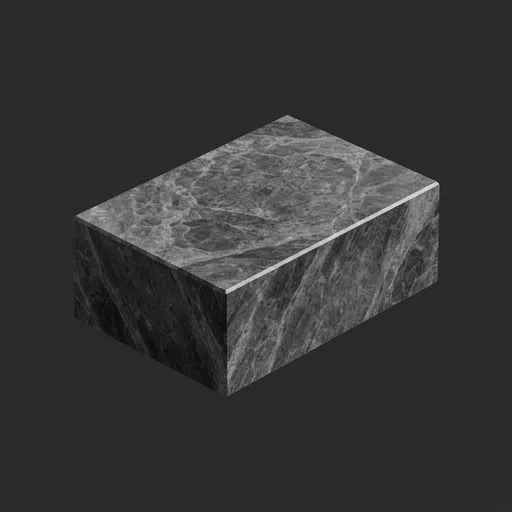
Understanding marble varieties and their characteristics
Marble is not a single material but a diverse family of metamorphic rocks with dramatically different visual and physical characteristics depending on their geological origin. White Carrara marble from Italy, with its subtle grey veining, has defined luxury interiors for centuries. Calacatta marble offers a bolder veining pattern on a brighter white ground that commands premium prices. Egyptian marble varieties including Galala, Sunny, and Botticino offer excellent value with distinctive cream and beige tones that work beautifully in both traditional and contemporary applications. Understanding the specific characteristics — density, porosity, hardness, and color consistency — of any marble variety you're considering is essential before committing to a specification.
Quality grading and what it means in practice
Marble quality grading is not standardized universally, but most suppliers use a system with grades from A to D or equivalent terminology. Grade A marble features consistent color and veining, minimal natural faults, and predictable patterning that allows for proper bookmatching in high-visibility applications. Lower grades have more natural variation, veining irregularities, and natural faults that may require more careful selection and layout. For floor applications where slight variation can add character, lower grades may be perfectly appropriate at a fraction of the cost. For statement feature walls or countertops where visual consistency is critical, Grade A material justifies its premium.
Finishing options and their applications
The finish applied to marble dramatically affects its appearance, slip resistance, and maintenance requirements. A polished finish creates the mirror-like reflective surface most associated with luxury marble applications but can be slippery when wet, making it unsuitable for floor applications in wet areas. A honed finish offers a matte, smooth surface that is less reflective and more forgiving of surface scratches over time. Brushed and antiqued finishes create a textured surface that evokes aged stone and provides excellent slip resistance. For exterior applications, a bush-hammered or flamed finish creates a deeply textured, non-slip surface that weathers naturally. Matching the finish to the application and the aesthetic intent is as important as selecting the right marble variety.
Sourcing, logistics, and project planning
Sourcing marble for a significant project requires attention to factors that go beyond price per square meter. Lot consistency is critical: marble from the same quarry vein can vary significantly between extraction batches, and mixing material from different lots creates visual discontinuities that are difficult to correct after installation. For large projects, reserving sufficient material from a single lot, including extra for cuts, waste, and future repairs, is standard professional practice. Logistics for stone are complex: heavy materials require appropriate freight handling, and lead times from quarries to project sites can run from weeks to months depending on the origin. Building these timelines into project schedules prevents the delays that occur when stone specifications are confirmed too late in the construction process.