Types of Egyptian Marble
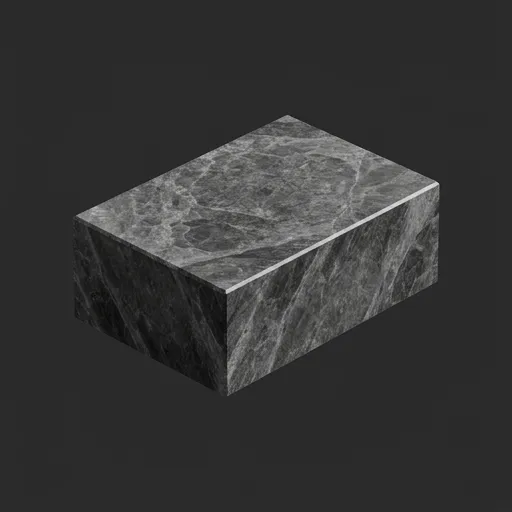
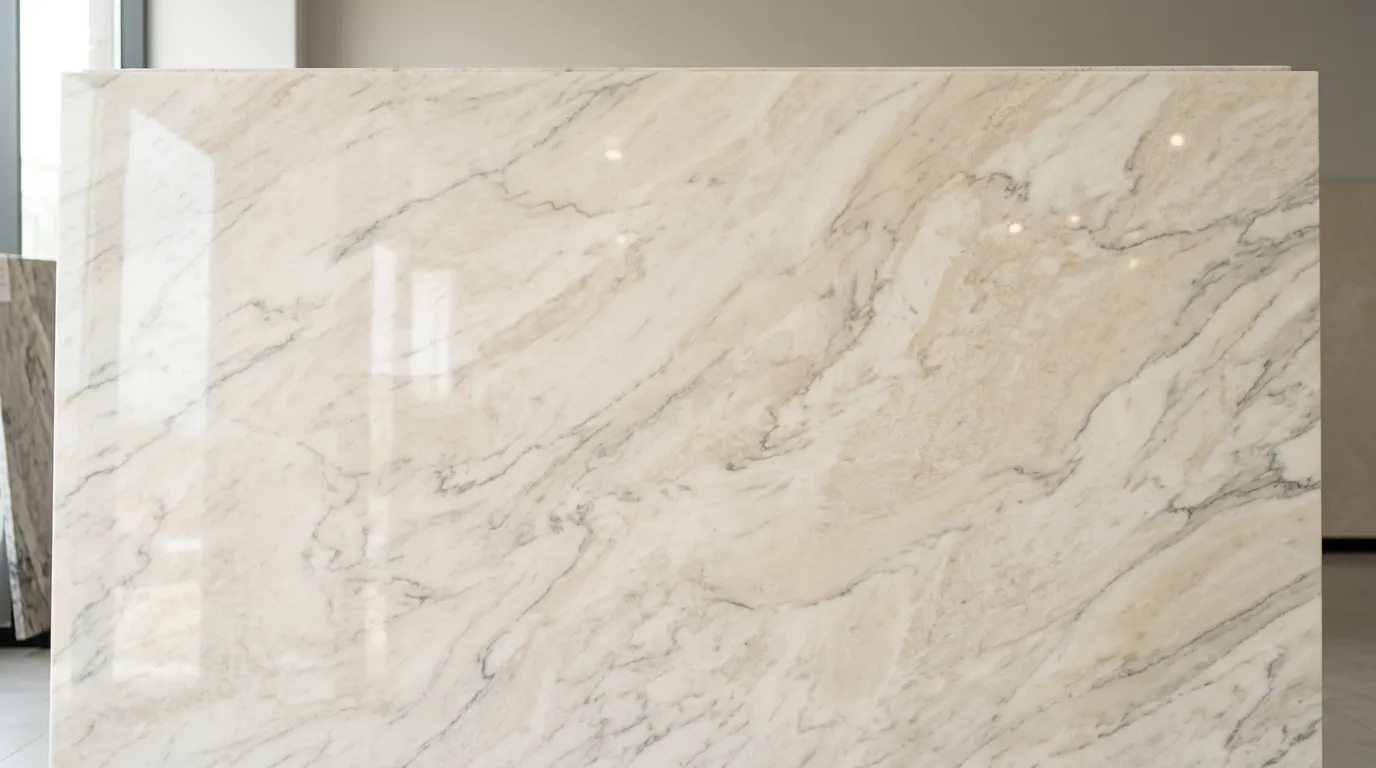
Egyptian marbles vary widely in color and veining. White Egyptian marble (sometimes called Helwan White) offers pale, clean backgrounds ideal for minimalist and classical designs. Cream and beige varieties, such as Sokhna marble, feature warm earth tones with subtle veining, popular for traditional and contemporary interiors. Rossa Levanto and other veined marbles showcase dramatic grey, brown, or purple veins on lighter grounds, adding visual interest and movement to spaces. Each variety reflects the mineral composition and geological history of its quarry.
Marble Properties and Durability
Marble is a metamorphic rock—limestone that has been altered by heat and pressure deep underground. This process creates the crystalline structure that gives marble its distinctive look. However, marble is softer than granite (3–4 on the Mohs scale) and more porous. It can etch and stain if exposed to acidic substances or prolonged moisture. This doesn't mean marble is fragile; it simply requires thoughtful placement and maintenance. Marble excels in low-traffic interior spaces like fireplaces, accent walls, and bathrooms with proper sealing. It's less suitable for kitchen countertops or high-traffic entryways without protective measures.
Finishes and Visual Impact
Egyptian marble accepts multiple finishes. Polished marble reveals vivid color and veining, creating a luxurious, reflective surface. This finish is stunning in foyers and showrooms but can be slippery on floors. Honed marble (matte finish) softens the appearance and provides better slip resistance, making it practical for bathrooms and bedrooms. Brushed finishes add subtle texture. Tumbled edges offer a rustic, hand-crafted appearance. The finish you choose dramatically affects the stone's visual personality—polished for formal elegance, honed for contemporary understated luxury, tumbled for textured warmth.
Selection and Care Best Practices
Start by identifying the stone's intended use. Marble suitable for a fireplace surround differs from marble appropriate for a shower wall. Request large samples and view them in your actual lighting—colors shift dramatically under different light sources. Apply sealer to porous varieties before installation, and maintain regular resealing schedules (typically annually for high-use areas). Avoid placing acidic items (lemon, vinegar, wine) directly on marble surfaces, and wipe spills promptly. With thoughtful care, Egyptian marble develops a beautiful patina over time, its character deepening with age. This aging is often considered an asset—a sign of authenticity and lived history.