Egyptian Limestone Varieties
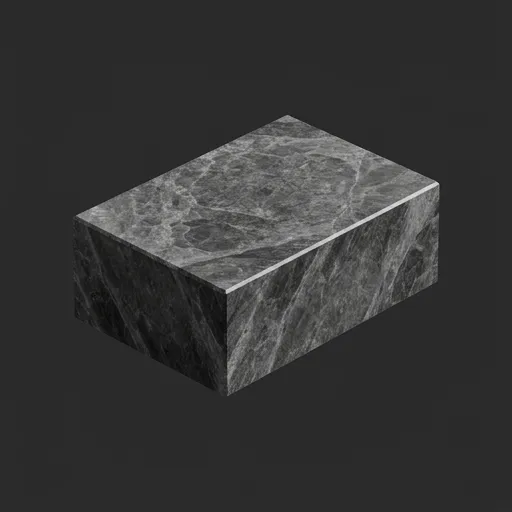
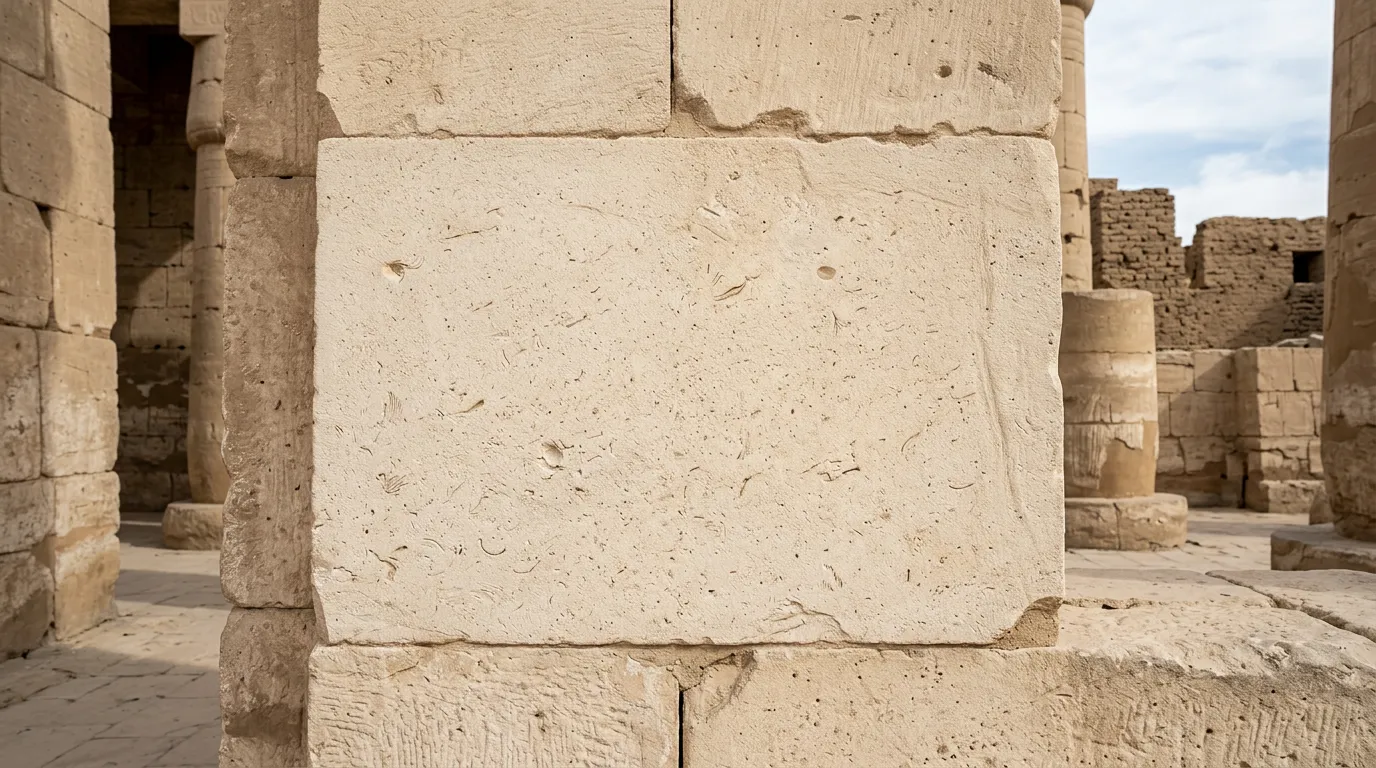
Egypt's limestone comes in multiple color families and geological formations. Helwan Limestone is a popular cream-white variety with fine grain and consistent texture, ideal for ashlar (hewn stone) and smooth finishes. Ain Sokhna limestone, quarried near the Red Sea, features pale cream to warm tan colors with subtle fossil impressions and natural veining. Tura Limestone (historical quarry near Cairo) is renowned for its pale white color and uniform grain—it was used extensively in pyramid construction and remains valued for heritage restoration work. Modern quarries also produce darker limestones in grey, buff, and brown tones, expanding design possibilities.
Durability and Performance Characteristics
Limestone is a sedimentary rock composed primarily of calcium carbonate. It rates 3–4 on the Mohs hardness scale—softer than granite or marble. This relative softness is actually an asset: limestone weathers gracefully, developing patina and character rather than chipping or cracking. It has moderate porosity (higher than marble) and can absorb water, so protection and drainage are important in exterior applications. Egyptian limestone has proven exceptional longevity in outdoor settings—the Great Pyramids, built from limestone, stand after 4,500 years. Modern high-quality limestone is equally durable when properly detailed and maintained.
Common Applications
Interior applications include ashlar cladding, feature walls, fireplace surrounds, and flooring (in lower-traffic areas). Exterior work encompasses building facades, coursed ashlar, cornice details, and sculptural elements. Limestone's workability makes it ideal for carved or detailed applications—profiles, ogee moldings, and decorative finishes are easily achieved. Its softer nature also allows for lighter installation systems, reducing structural load compared to granite. Many contemporary architects specify Egyptian limestone for sustainable, locally-sourced aesthetic appeal.
Finishes, Sealing, and Maintenance
Egyptian limestone finishes range from rough quarry split (rustic, heavily textured) to fine-tooled (smooth, uniform) to polished (reflective, refined). Each finish affects water absorption and slip resistance. Exterior limestone should be sealed with a breathable, water-repellent sealer to resist weathering and staining. Interior limestone, especially in kitchens and bathrooms, benefits from sealing as well. Regular maintenance includes gentle cleaning with pH-neutral solutions and periodic resealing (every 1–3 years depending on exposure and traffic). Unlike marble, limestone is forgiving of minor etching—patina is often celebrated as part of its charm.